Key Takeaways
- Raise your mowing height to 3 to 3.5 inches during Colorado summers, never remove more than one-third of the blade at once, and keep your mower blades sharp.
- Mowing too short in summer is the single fastest way to stress a Colorado lawn, triggering scalping, shallow roots, weed invasion, and heat damage.
- Greenlawn Sod Company has been growing drought-tolerant, Mountain West-adapted sod varieties since 1969 and can help you choose a turf type suited to Colorado’s hot, dry summers.
Why Summer Mowing Is Different in Colorado
Summer in Colorado is brutal on cool-season lawns. High-elevation UV, dry air, afternoon thunderstorms followed by days of intense heat, and water restrictions all combine to make an unfavorable environment for lawns. These factors stress Kentucky bluegrass, tall fescue, and ryegrass during the exact months when most homeowners are mowing the most.
Mowing practices that work fine in spring can damage your lawn in July. Blades that grow quickly in cool, wet weather slow to a crawl in 90-degree heat. Cutting the same amount in summer as you would in May strips the grass of the leaf surface it needs to shade its own roots and survive the heat.
We see this pattern every July. A homeowner has been mowing weekly at 2.5 inches since April. The lawn looked great through May and June. Then mid-July hits, the temperatures spike, and within two weeks, the lawn is browning in patches.
The cause is almost never the weather alone. It is summer conditions meeting spring mowing habits. The good news is that summer mowing is simple once you know the rules.
Here are the best practices we recommend for Colorado homeowners.
Raise the Mower Height for Summer
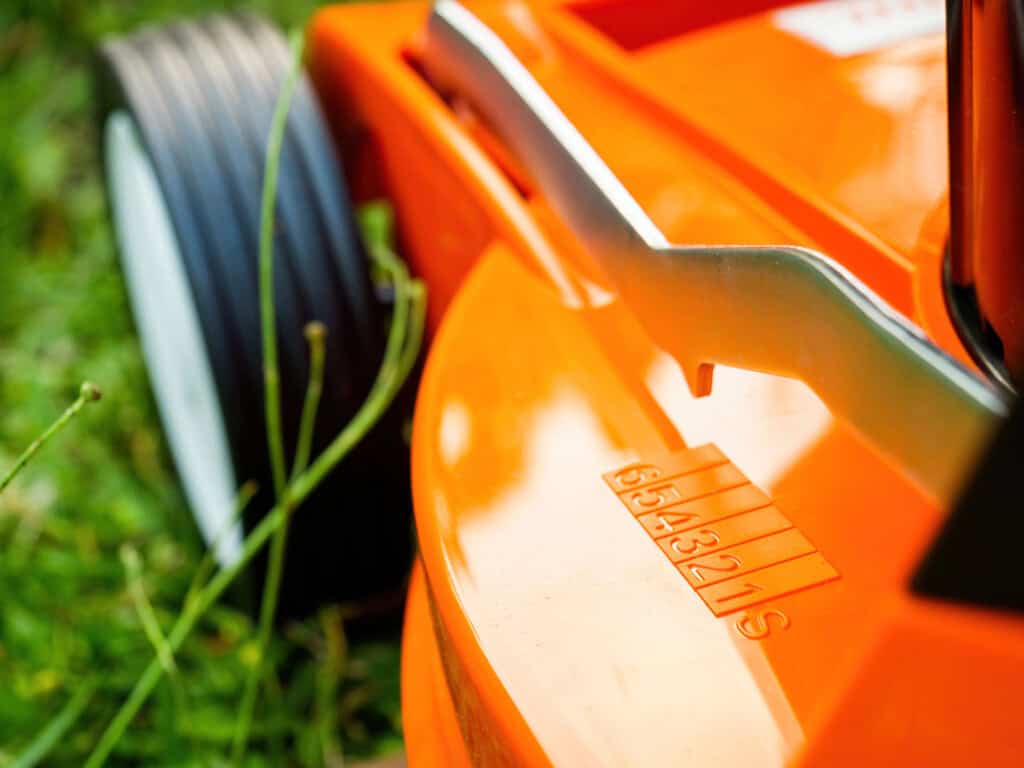
This is the single most important change. In spring and fall, Kentucky bluegrass lawns can be mowed to about 2.5 inches. In summer, raise the blade to 3 to 3.5 inches.
Taller grass:
- Shades the soil and reduces evaporation from the surface.
- Keeps soil temperatures cooler, protecting the root crowns.
- Develops a deeper root system that can access moisture further down.
- Provides more leaf surface for photosynthesis during a stressful season.
- Crowds out summer weeds like crabgrass by blocking sunlight at soil level.
The ideal height depends on the grass variety. Here is a quick reference:
| Grass Type | Spring / Fall Height | Summer Height |
| Kentucky Bluegrass | 2.5 inches | 3 to 3.5 inches |
| Tall Fescue Blue | 2.5 to 3 inches | 3.5 to 4 inches |
| Bluerye blend | 2.5 inches | 3 to 3.5 inches |
| Fine Fescue | 2 to 2.5 inches | 3 inches |
Cutting below these ranges in summer is called scalping. Scalped lawns turn brown quickly, lose density, and become susceptible to weeds and disease. Once a lawn is scalped, recovery can take weeks.
Follow the One-Third Rule When Mowing Sod
Never remove more than one-third of the grass blade in a single mowing. This rule matters year-round, but it is especially important in summer.
If your target height is 3.5 inches, mow when the grass reaches 5.25 inches, not when it is 7 or 8 inches tall. Cutting too much at once shocks the plant, reduces root growth, and forces the grass to put energy into regrowing leaves instead of strengthening its root system.
Research from the Iowa State University Extension confirms that extremely low mowing heights decrease leaf surface area, carbohydrate reserves, and root growth. The result is a lawn that cannot produce enough food for itself and becomes more vulnerable to drought, heat, and wear.
If your lawn has grown too tall between mowings, do not cut it all the way back in one pass. Raise the mower to the highest setting, cut, wait three to four days, and mow again at the desired height. This gradual approach prevents the shock of a hard cut and gives the grass time to adjust.
The one-third rule also explains why mowing frequency matters more than a fixed schedule. In spring, your lawn might grow an inch in four days. In July, the same growth might take ten days. Mow based on what the grass is doing, not what day of the week it is.
Mow at the Right Time of Day
When you mow matters almost as much as how you mow. In summer, timing affects both your safety and the health of the lawn.
Best: Early evening (5 to 7 p.m.). Temperatures are cooling, the grass has had time to recover from the day’s heat, and the evening hours give cut blades time to seal before morning moisture encourages disease.
Also acceptable: Mid-morning after dew has dried but before the afternoon peak. Wet grass clumps in the mower deck, spreads disease, and leaves uneven cuts.
Avoid: Midday during peak heat. Mowing stresses the grass, and mowing stressed grass compounds the damage. It is also hard on the person running the mower.
Avoid: Just before an afternoon thunderstorm. Freshly cut grass is vulnerable, and heavy rain on newly exposed blades invites disease.
Keep Your Mower Blades Sharp
A dull mower blade tears grass instead of cutting it. Torn blade tips turn brown within a day or two, giving the whole lawn a tan, unhealthy cast even when the grass itself is healthy.
Sharp blades:
- Produce a clean cut that heals quickly.
- Reduce water loss from the cut edge.
- Leave the lawn looking greener immediately after mowing.
- Reduce disease pressure by eliminating jagged wounds.
Most homeowners should sharpen their mower blades at least once per season, and twice if they have a larger yard or mow often. Signs your blade needs sharpening include frayed blade tips, a yellowish cast to the lawn a day after mowing, and visible tears along the edges of cut grass blades.
A simple test: run your hand carefully along the edge of the blade (with the mower off and disconnected). If it feels smooth or rounded rather than sharp enough to catch a fingernail, it needs attention. Replacement blades are inexpensive and often the easiest option for homeowners who do not want to sharpen their own.
Leave the Clippings (Usually)
Grass clippings left on the lawn decompose quickly and return nitrogen, phosphorus, and potassium to the soil. This practice, called grasscycling, can reduce fertilizer needs by up to a quarter and improve soil health over time.
Colorado-specific research referenced by the Kansas State University Turf Extension found that 1,000 square feet of highly fertilized Kentucky bluegrass yields about 5.7 pounds of nitrogen, 0.6 pounds of phosphorus, and 3.4 pounds of potassium in clippings annually. That is free fertilizer.
The exceptions to leaving clippings:
- When clippings are too thick and form visible clumps. Rake them out or mow again.
- When the lawn has an active disease outbreak. Bag clippings temporarily to avoid spreading the pathogen.
- The first mow of the season. Some experts recommend bagging to remove winter debris and reduce snow mold risk.
Grass clippings do not cause thatch buildup unless the grass is mowed too tall and excessively long clippings are returned. Normal-length clippings break down within days.
What to Avoid in Summer Mowing Sod
A few summer mowing mistakes can undo weeks of good lawn care.
- Mowing a dormant or stressed lawn. If the grass is already brown from heat or drought, mowing adds more stress. Wait for cooler weather or a rain event.
- Mowing in the same pattern every time. Mowing the same direction repeatedly compacts the soil in the wheel tracks and causes the grass to lean. Alternate patterns each week.
- Ignoring dull edges along sidewalks and driveways. Edging helps the lawn look clean, but a string trimmer set too low can scalp the edges. Keep trimmer heights consistent with mower heights.
- Mowing right before a heat wave. If a stretch of 90-degree days is in the forecast, mow a day or two beforehand so the lawn has time to recover.
What You Should Do Next
Summer mowing is not complicated, but the details matter. Raising your deck, mowing less frequently but correctly, and keeping your blades sharp will carry your lawn through Colorado’s toughest months.
- Check your mower deck height this week. If it is set at 2 or 2.5 inches, raise it to 3 or 3.5 for summer.
- Sharpen or replace your mower blade. This single step makes a bigger difference than most homeowners realize.
- Contact Greenlawn Sod Company if you need help choosing a sod variety that can handle Colorado summers. We grow drought-tolerant blends like Ecoloturf and Tall Fescue Blue that are bred specifically for Western prairie conditions. Call (970) 482-6574 or visit us at 2524 NE Frontage Road in Fort Collins.
FAQs
How often should you mow in summer in Colorado?
Cool-season grasses like Kentucky bluegrass and tall fescue grow more slowly in Colorado’s summer heat than in spring. Most lawns need mowing every 7 to 10 days in summer, compared to every 4 to 5 days in spring. Let the one-third rule guide you. Mow when the grass is one-third taller than your target height, regardless of what the calendar says.
What height should I mow my lawn in summer?
Kentucky bluegrass and blue ryegrass blends should be mowed at 3 to 3.5 inches during summer. Tall fescue can go up to 3.5 to 4 inches. Fine fescue is best kept around 3 inches. Raising the height in summer helps the lawn retain moisture, develop deeper roots, and resist heat damage.
Is it better to mow in the morning or evening?
Early evening is generally the best time to mow in summer, followed by mid-morning after the dew has dried. Avoid mowing during midday heat or right before a thunderstorm. Never mow wet grass. Wet blades clump, spread disease, and produce uneven cuts.
Should I bag or mulch clippings in summer?
Mulch clippings in most cases. Returned clippings decompose within days, add nutrients back to the soil, and do not cause thatch buildup at normal mowing lengths. Only bag when clippings are excessively thick, the lawn has an active disease, or you are doing the first mow of the season to remove winter debris.
How do I know if I am mowing too short?
Signs of mowing too short include brown tips on the grass blades the day after mowing, visible soil between grass plants, increased weed pressure, and patches that do not recover after watering. If you see any of these, raise your deck height immediately and allow the lawn two to three weeks to recover before resuming normal mowing.