Key Takeaways
- Most problems with new sod come from decisions made before the first roll hits the ground.
- Colorado’s climate, soil, and elevation create specific challenges that sod farms in other regions never deal with.
- Greenlawn Sod Company delivers fresh sod in covered trailers to protect quality and offer professional installation across Central and Northern Colorado.
Why New Sod Struggles to Establish in Colorado
Sod is a living product. When it leaves the farm, it has about 24 to 48 hours to get rooted into its new home before it starts to decline. In Colorado, that window can be even tighter because of the dry air, thin atmosphere, and temperature swings.
Colorado’s growing conditions amplify every small mistake. The air is drier, the temperature swings between day and night are sharper, and the growing season is shorter than in most of the country.
Sod that would forgive minor installation errors in a milder climate does not forgive them here. A small air pocket under a roll, a half-inch of compacted clay, or a seam that dried out overnight can all stop establishment cold.
Most sod failures are not caused by bad sod. They are caused by preparation and installation decisions that do not match the conditions the sod needs to thrive.
Getting the fundamentals right is not optional in Colorado. It is the difference between a lawn that thrives and one that has to be replaced. Here are the seven most common problems we see with new sod and what Colorado homeowners can do to avoid them.
1. Poor Soil Preparation
This is the single biggest cause of sod failure. Colorado’s Front Range soils tend to be heavy clay, compacted, and often alkaline. Laying fresh sod on unprepared ground is a setup for failure.
Sod roots need loose, aerated soil to penetrate. If the ground is compacted, the roots sit on the surface and never anchor down. The result is sod that looks fine for a few weeks and then browns, curls, and peels up at the edges.
Clay soil in particular can form a barrier that water pools on top of instead of soaking through, which starves the roots of oxygen and moisture.
What proper soil prep looks like:
- Remove all existing grass, weeds, and debris.
- Till or loosen the top four to six inches of soil.
- Add two to three inches of quality topsoil or compost to improve structure.
- Level the surface, removing high spots and filling low spots.
- Lightly compact with a roller to prevent settling.
Skipping any of these steps creates a weak foundation. The sod may look perfect when it goes down, but the roots will struggle to establish.
2. Choosing the Wrong Sod Variety for Your Site
Not every sod variety works in every Colorado yard. Sun exposure, soil conditions, elevation, and intended use all affect which variety will thrive.
Here is a quick comparison of common Colorado-adapted varieties:
| Sod Variety | Best For | Notes |
|---|---|---|
| Tall Fescue Blue | Full sun, drought tolerance, high traffic | Deep roots handle Colorado’s dry summers well |
| Kentucky Bluegrass | Traditional Colorado lawns, cooler elevations | Needs more inputs but produces a classic lush look |
| Bluerye blend | Mixed conditions, faster establishment | Combines durability of bluegrass with quick-germinating rye |
| Ecoloturf | Water-conscious landscapes, xeriscape transitions | Drought-tolerant blend designed for Western prairie climates |
Choosing sod based on appearance alone is one of the most common mistakes. A variety that looks great in a photo but cannot handle your yard’s sun exposure or soil type will never establish properly. Greenlawn Sod grows varieties specifically bred for the Mountain West climate, and our team can recommend the right match based on your property.
3. Laying Sod on Dry, Hot, or Compacted Ground
Installing sod during the wrong conditions dooms the establishment phase before it starts. Dry soil does not allow for good root-to-soil contact. Hot soil stresses the sod immediately. Compacted soil prevents root penetration entirely.
The ground should be moist but not saturated at installation. The soil surface should be cool enough to touch comfortably. If you can walk across the prep area and leave no footprint, the soil is too compacted.
Colorado-specific timing tips:
- Avoid midsummer installations when soil temperatures exceed 85°F.
- Morning installations give the sod hours to settle before peak afternoon heat.
- Overcast days with temperatures between 55°F and 75°F are ideal.
- Early fall (late August through September) is the best window for establishment in Colorado because nighttime temperatures drop and soil moisture retention improves.
4. Gaps, Overlaps, and Poor Seam Placement
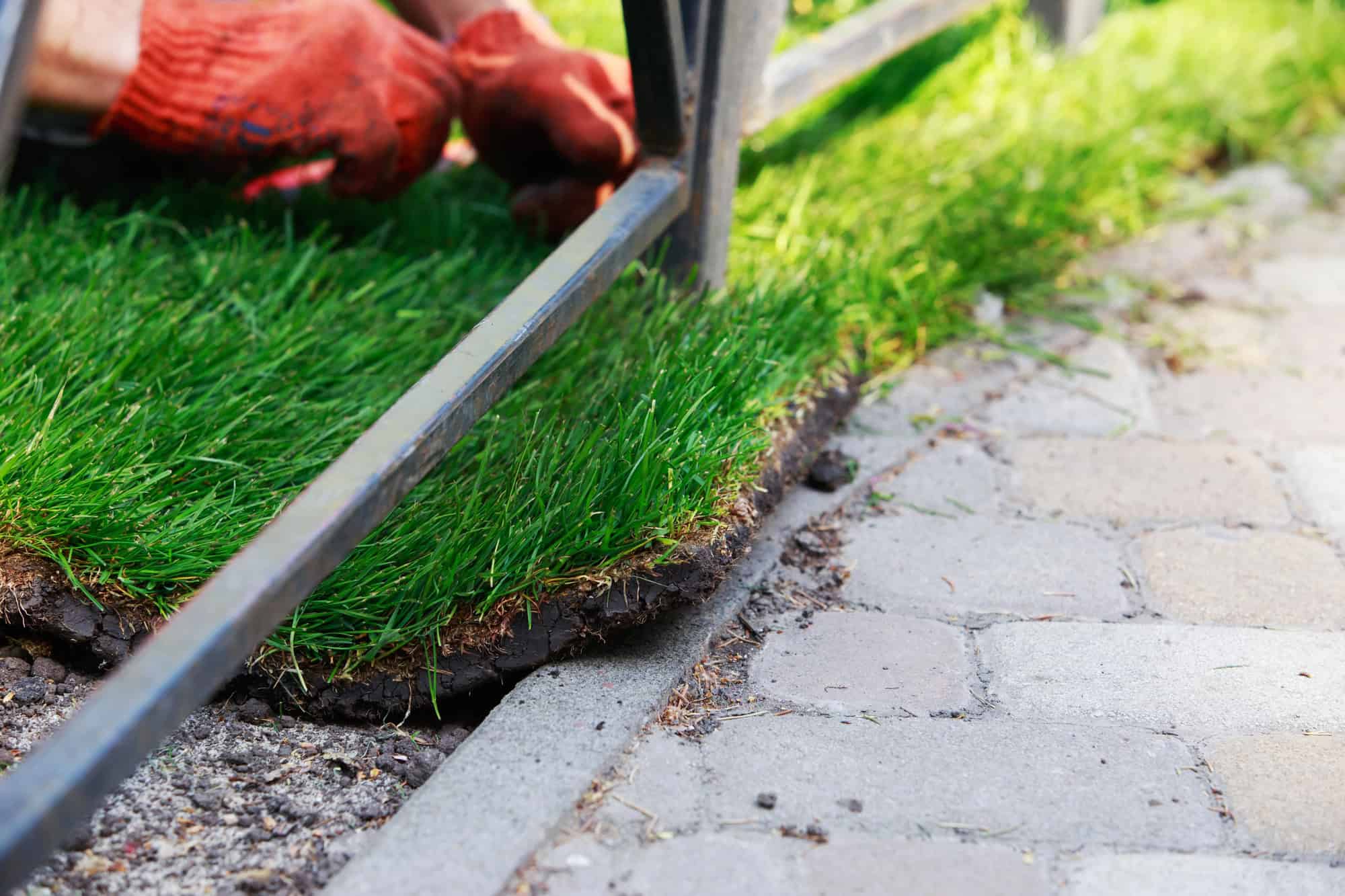
How you lay the sod rolls matters. Gaps between pieces dry out and turn into dead patches. Overlapping pieces create raised seams that scalp when mowed and prevent root-to-soil contact underneath.
Proper installation technique:
- Butt edges tightly together without stretching the sod.
- Stagger seams in a brick-like pattern, not a grid.
- Never overlap pieces.
- Use a sharp knife to cut pieces cleanly around curves and obstacles.
- Fill any small gaps with topsoil.
Staggered seams strengthen the overall lawn and prevent weak lines where weeds can establish. The Colorado State University Extension has additional guidance on turf establishment practices suited to Colorado conditions.
5. Skipping the Roll
After installation, many homeowners walk away. That is a mistake. Sod needs to be rolled with a lightweight lawn roller to eliminate air pockets and press the roots into contact with the soil underneath.
Air pockets are invisible killers. A piece of sod that looks fine on the surface may have a pocket of air under it that prevents roots from ever reaching the soil. The sod dies from the roots up while still looking green on top.
How to roll properly:
- Use a lawn roller filled to about one-third capacity with water.
- Roll in two directions, perpendicular to each other.
- Keep the roller moving to avoid pressing divots into the ground.
- Roll once immediately after installation, not after the sod has been sitting.
This step takes 15 to 30 minutes for an average yard and dramatically improves establishment rates.
6. Mowing Too Soon or Too Short
New sod is fragile for the first two to three weeks. The roots are still anchoring into the soil, and premature mowing can pull pieces loose, scalp the grass, or tear the top layer.
Rules for the first mow:
- Wait at least two to three weeks after installation.
- Test by gently tugging on a corner of a sod piece. If it resists, the roots have taken.
- Set the mower blade to the highest setting for the first few mows.
- Only remove the top one-third of the grass blade at any mowing.
- Make sure the mower blade is sharp. Dull blades tear grass instead of cutting it.
For Kentucky bluegrass and tall fescue, the ideal mowing height is 2.5 to 3.5 inches. Taller grass encourages deeper roots and better drought resistance.
7. Ignoring the Grading and Drainage
Poor grading leads to puddling, erosion, and uneven establishment. If water sits on one section of the lawn, that section suffocates. If it runs off too quickly, the opposite section dries out.
Key grading principles:
- Slope the lawn away from the house at roughly one inch per eight feet.
- Fill low spots during soil prep, not after the sod is down.
- Avoid laying sod over areas where downspouts or irrigation heads create concentrated water flow without proper grading.
Poor drainage combined with Colorado’s occasional heavy rain events can wash out seams, dislodge newly laid sod, and create mud pockets that kill roots. A well-graded foundation prevents all of this.
On sloped properties, pay extra attention to how the sod is oriented. Lay rolls perpendicular to the slope, not parallel. Sod laid parallel to a slope tends to slide downhill before roots anchor, creating bare seams at the top and bunching at the bottom. On steep slopes, professional installers sometimes use biodegradable landscape pins to hold sod in place during establishment.
What You Should Do Next
Sod establishment is not complicated, but it is unforgiving. The decisions you make before installation determine how well the sod roots and how long the lawn lasts. Get the preparation right, and most other problems take care of themselves.
- Test your soil before anything else. Know your pH, compaction level, and nutrient profile. The Colorado State University Extension offers soil testing and can help interpret the results.
- Choose a sod variety suited to your site and the Colorado climate. Do not pick based on appearance alone. Consider sun exposure, traffic, and water availability.
- Talk to Greenlawn Sod Company about your project. We have been growing sod for Colorado yards since 1969. We can help you pick the right variety, coordinate fresh delivery in covered trailers, and arrange professional installation if you want the job done right the first time. Call us at (970) 482-6574 or visit our farm at 2524 NE Frontage Road in Fort Collins.
FAQs
How long does new sod take to establish?
New sod typically begins rooting within 7 to 14 days and is fully established in three to six weeks under ideal conditions. In Colorado, establishment can take slightly longer during hot, dry periods. You will know the sod is rooted when you cannot lift a corner by gently tugging on it.
Can you lay sod over existing grass?
No. Laying sod over existing grass prevents the new roots from reaching the soil. The old grass dies underneath, creating a layer of dead organic material that blocks root contact and harbors disease. Always remove existing grass and weeds before installation.
What is the best time to install sod in Colorado?
Early fall (late August through September) is the best window. Soil temperatures are still warm enough for root growth, but the air is cooler and less stressful on the new sod. Spring (April through May) is the second-best option. Avoid midsummer installations when possible.
How long can sod sit before it needs to be installed?
Fresh sod should be installed within 24 hours of delivery, ideally the same day. Sod that sits on a pallet generates heat and loses moisture quickly. After 48 hours, the sod may arrive looking fine, but it will struggle to establish once installed. Greenlawn Sod uses covered delivery trailers to preserve product quality during transport.
Should I use fertilizer at installation?
A light starter fertilizer can be incorporated into the soil during preparation to give new roots a nutrient boost. Avoid heavy fertilization in the first few weeks after installation. Over-fertilizing new sod can burn the roots before they are established. A soil test is the best way to determine what your lawn actually needs.