Key Takeaways
1. Artificial grass stays safer and better-looking when you treat it as low-maintenance, not no-maintenance.
2. The 5 artificial grass mistakes that shorten turf life are skipping routine care, using the wrong tools, rushing base prep, using harsh cleaners, and ignoring weeds and roots.
3. Greenlawn Sod Company helps Colorado homeowners protect their investment through artificial grass maintenance and professional support when your turf needs more than DIY fixes.
Critical Mistakes That Wear Out Artificial Grass Too Soon
Artificial turf is designed to deliver a consistently beautiful lawn, but it only lives up to that promise if you treat it with a little intention. The most common mistakes are tiny habits that flatten fibers, cause poor drainage, or stress the backing until you face costly repairs instead of simple upkeep.
Below are five issues that quietly ruin a synthetic turf lawn, and what to do instead:
Mistake 1 – Treating Artificial Grass as “No-Maintenance”
Many homeowners hear that artificial lawn is “low-maintenance” and assume it needs very little maintenance or none at all. After installing artificial grass, the stiff brush and leaf blower go back in the garage, and the entire surface is left alone season after season.
Dust, debris, and dirt settle into the fibers, pet waste leaves lingering odors, and fine particles clog drainage layers. The grass still looks green from across the yard, but up close it feels flat, less forgiving underfoot, and less like the natural look you wanted.
Here is how to fix that in a simple way:
- Brush high traffic areas every 1–2 weeks to lift fibers, support the pile direction, and redistribute infill
- Rinse the synthetic lawn about once a month, or more often in pet areas or dusty spots
- Do a seasonal check of seams, edges, and infill levels and note any low spots, ripples, or uneven surfaces that need attention
Mistake 2 – Using the Wrong Cleaning Tools and Products
A lot of damage to synthetic grass comes from cleaning that is too aggressive, not from age. Metal rakes, wire brushes, or tools with sharp edges can scratch blades, pull fibers, and scar the backing. Pressure washers held too close can strip sand infill, disturb water flow, and leave the surface uneven.
Harsh chemicals such as bleach, solvent-based cleaners, and strong degreasers can discolor fibers, stiffen them, or break down the backing. Over time, those products do more harm than good and shorten the life of your fake grass.
A better way to handle cleaning:
- Use turf-friendly tools: a stiff broom with plastic bristles, a plastic rake, or a leaf blower on low
- Rinse with a garden hose instead of pressure washers whenever possible
- Spot-clean with mild, turf-safe detergent; avoid bleach, strong solvents, or anything not approved for maintaining artificial grass
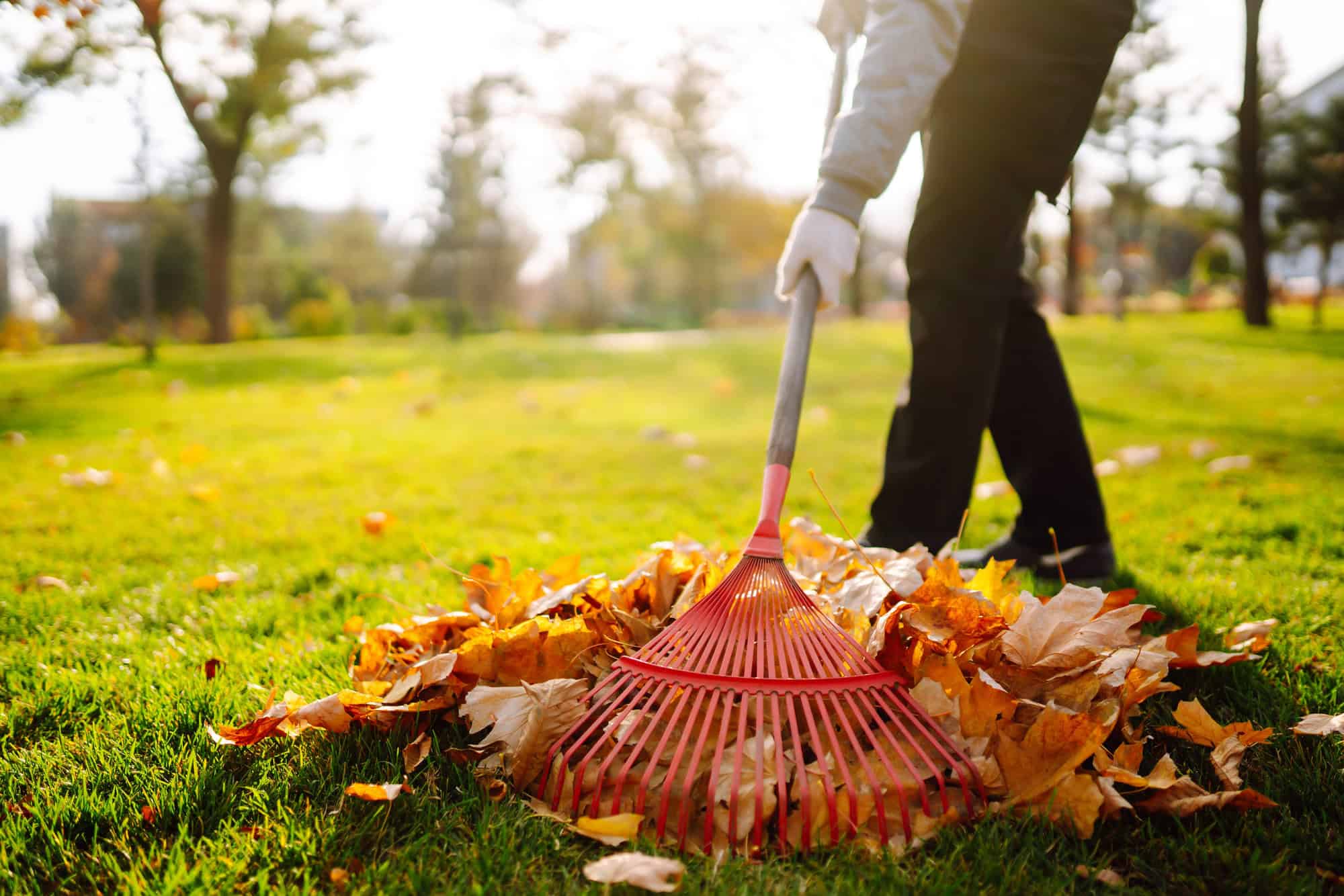
Mistake 3 – Ignoring Soft, Unstable Ground Before Installation
One of the easiest ways to ruin a beautiful artificial lawn is to rush past the ground prep. After the old grass is removed, the exposed soil underneath becomes the foundation for everything you build on top.
If there are soft spots in that subgrade, that section will eventually settle once rain, foot traffic, and time do their work.
A more careful approach looks like this:
- Walk-test the subgrade slowly and mark any spots where your feet noticeably sink or the soil feels unstable
- Excavate soft areas a bit deeper than the rest of the yard so you remove the weak, compressible soil entirely
- Backfill with compactable sub-base material (such as crushed rock or road base) in thin layers rather than in one big dump
- Compact each layer thoroughly with a plate compactor or hand tamper until it feels firm and does not move underfoot
- Re-check the entire area on foot before laying any base or turf, fixing anything that still feels soft now, while it is easy to correct
Mistake 4 – Using Harsh Cleaning Products on Artificial Turf
It is easy to assume that anything labeled “outdoor cleaner” is safe for artificial grass, but many everyday products are far too aggressive for synthetic fibers. Bleach, ammonia-based cleaners, and alcohol-heavy sprays can strip color and make fibers brittle over time.
Oil-based spills, such as grease, sunscreen, or cooking drips, can also adhere to the plastic and leave shiny stains that never quite go away if not handled properly.
Even leftover lawn products like natural grass fertilizers and pesticides can react poorly with turf.
A gentler, turf-safe approach looks like this:
- Mix a small amount of gentle, water-based dish soap with water for everyday spills and light stains
- Blot food, drink, or pet messes as soon as they happen, then rinse and spot-clean before they have a chance to set.
- Choose cleaners specifically labeled as safe for artificial grass, and avoid bleach, ammonia, solvents, and heavy degreasers.
- Gently blot greasy spots, use a mild detergent solution, and rinse thoroughly; avoid scrubbing, which can roughen fibers.
- Try any new cleaner on a hidden corner first to confirm there is no discoloration or fiber softening before using it across a visible area.
Mistake 5 – Letting Weeds and Roots Grow Under Your Artificial Turf
This is the one people rarely think about until the turf starts looking…off. Artificial grass is absolutely lower maintenance, but it still sits on real soil, with real roots and real weeds trying to do their thing underneath.
When the weed barrier is too thin, poorly overlapped, or skipped to “save time,” tiny weeds can sneak up along seams or drainage holes. Pair that with tree roots slowly pushing up from below, and suddenly your once-smooth lawn feels lumpy, hard to brush, and not nearly as polished as week one.
It doesn’t fail in one dramatic moment; it just gets a little bumpier, a little messier, season after season. Here’s how to stay ahead of it without losing your weekends:
- Use a good-quality geotextile fabric, overlap seams generously, and secure it so it can’t shift before the base and turf go down.
- Keep turf out of the root flare zone of large trees; use mulch rings, stone, or a border near trunks where roots will be most active.
- Every month or two, walk the edges and seams looking for tiny shoots or raised spots so you can catch issues early.
- Hand-pull shallow weeds or use a mild, turf-safe spot treatment instead of blasting the area with harsh herbicides.
- If you’re seeing recurring weeds, humps, or ripples, it’s usually a base/weed-barrier problem, and an experienced turf installer is the best person to re-level, reset, and protect your lawn long-term.
What Type of Infill Suits Your Garden?
The type of infill under your synthetic turf changes how you maintain it. Infill keeps blades at the right blade height, protects the backing, cushions feet, and helps reduce wear, but it also behaves differently depending on materials and intended use.
Homeowners often see infill as “the sand under the turf,” yet a closer look at infill is one of the simplest yet most effective tips for long-term performance.
Common infill options and what they mean for maintenance:
Silica Sand or Coated Silica Sand
Silica sand and coated silica sand are the most common infills for residential turf installation and landscaping. They stay relatively firm and support the blades well, but they can compact over time, especially in high-traffic areas.
To keep that natural look and comfortable footing, you need to loosen the surface with periodic cross brushing so the infill can move and the fibers stand upright again.
Crumb Rubber
Crumb rubber is used more often in sports fields where impact absorption and shock reduction matter. It can migrate, get very hot in strong sun, and has a tendency to stick to shoes and equipment.
Because of that, it benefits from regular grooming that redistributes the rubber, levels the entire surface, and helps manage water flow through the system.
Alternative or Specialty Infills
Alternative or specialty infills, such as pet-friendly or cooling products, are designed for specific needs like odor control, temperature management, or extra comfort in pet areas.
Even though they are marketed as upgrades, they still need occasional raking and brushing so they do not drift, clump, or create drainage problems that leave the turf feeling uneven or soggy.
Care Hints for Any Infill Type
- Brush in different directions (cross brushing) so infill moves evenly and blades stay upright.
- Watch for spots that feel completely flat, too hard, or uneven on the ground or soft ground.
- Pay extra attention to slight slope or high traffic areas, where infill and debris move fastest.
- Ask your installer which artificial turf infill you have and how often to groom for your intended use (family lawn, pet areas, or sports fields).
When Should You Call a Professional for Turf Maintenance?
Most of the time, regular brushing, rinsing, and spot-cleaning are all your artificial turf needs. But there is a point where no amount of homeowner effort really improves the surface’s appearance, feel, or smell.
That is usually your cue that the issue lives deeper in the infill, seams, or base, and that is where a professional maintenance visit earns its keep.
Here are the red flags that routine care is no longer enough:
- Persistent odors that do not clear with rinsing. You’ve rinsed, used a turf-safe cleaner, maybe even repeated the process, and it still smells. That usually means bacteria and organic buildup are trapped in the infill layer.
- Matted fibers that ignore your brushing routine. If you brush in different directions with a stiff plastic broom and the fibers still lie flat, the infill may be compacted or uneven, and the yarn has started to “learn” the wrong shape.
- Standing water or slow drainage after light rain. Puddles that linger after a normal shower suggest clogged infill, blocked drainage holes, or a subbase issue. That is more than a quick hose-and-go problem.
- Seams are separating, or edges are starting to lift. Even a small gap, curl, or raised edge can become a trip hazard and will only widen with foot traffic and weather. Seams and borders need to be reset and re-glued, not just pushed down.
- Uneven infill, soft spots, or areas that feel too hard. If parts of the lawn feel spongy, hollow, or rock-hard underfoot, the infill has shifted or compacted. Left alone, that can stress the backing, creating visible depressions and ridges.
Once you see these patterns, it is usually beyond DIY for a reason:
- A professional crew can power brush and re-groom the turf to lift fibers without tearing them.
- They can recondition or top up the infill, so the footing feels even, and the blades stand upright again.
- Trained installers know how to repair seams and reset edges without stretching the backing or creating new weak points.
- They can flush and restore drainage layers, rather than accidentally forcing more fine debris down with a hose.
- Most importantly, they will inspect for UV wear, backing damage, or base problems that a homeowner might miss until it turns into a replacement conversation.
The honest truth: with the wrong tools, it’s easy to over-brush in one direction, drag on seams, or blast water and dirt deeper into the backing. When your turf is showing these red flags, bringing in a professional is less about perfectionism and more about protecting the lifespan of the entire system.
Greenlawn Sod Company Helps Colorado Homeowners Avoid These Mistakes
For many homeowners, installing artificial turf is about trading weekend mowing on natural grass for something easier. That trade works, as long as you treat artificial grass as “low-maintenance” instead of “no-maintenance.”
Greenlawn brings 55+ years of turf experience in the Mountain West, supplies high-quality artificial turf, and helps homeowners understand how to care for it from day one.
Your next steps:
- Walk your artificial lawn this week and note any spots that look matted, smell off, drain slowly, or feel uneven underfoot.
- Set a simple care routine from this guide: light brushing in busy areas every 1–2 weeks and a seasonal check of seams, edges, and infill.
- Contact Greenlawn Sod Company at (970) 482-6574 or visit the website to discuss artificial turf options, maintenance recommendations, or professional grooming support tailored to Colorado yards.
FAQs
What can go wrong with artificial grass?
Artificial grass can become uncomfortably hot in intense sun, often reaching higher temperatures than natural grass under the same conditions.
What is the lifespan of artificial grass?
The lifespan of artificial grass is typically 10-20 years, depending on quality and maintenance.
Can rain get through artificial grass?
Rain can drain through artificial grass because quality turf is manufactured with a perforated backing that allows water to pass through into the base layer.
Can you put a table and chairs on artificial grass?
You can put a table and chairs on artificial grass since modern turf systems are designed with durable synthetic fibers that tolerate regular foot traffic and furniture.