Key Takeaways
- Artificial turf is a synthetic grass surface made from plastic fibers designed to look and feel like natural grass.
- Basic tools and a seasonal schedule prevent odors, drainage issues, and early turf wear.
- Professional maintenance can re-fluff fibers, sanitize heavy-use areas, recondition infill, and repair edges or seams for long-lasting performance.
- Greenlawn Sod Company supplies premium artificial turf products to landscapers, contractors, and property managers across Colorado and the Mountain West.
Does Artificial Turf Need Maintenance?
Yes, artificial turf does require maintenance, but it is very different from the weekly routine of natural grass.
With a synthetic lawn, you stop worrying about mowing, fertilizing, seeding, or adjusting irrigation schedules. Instead, the focus shifts to periodic care that helps keep the surface clean.
5 Effective Steps To Maintain Your Artificial Turf
Artificial turf is a manufactured grass surface made from synthetic fibers designed to look and feel like natural grass. However, maintaining artificial turf starts with treating it as a low-maintenance surface, not a zero-maintenance one.
You can forget about mowing, fertilizing, seasonal overseeding, or running sprinklers every week, and large-scale weed control is far less of a concern. Instead, your focus shifts to light cleaning, brushing, and occasional checks to keep the turf clean, upright, and draining well.
1. Brush High-Use Areas so the Turf Stays Springy
With artificial turf, brushing helps reset the surface after everyday life has pressed it down. Foot traffic, patio furniture, kids’ play, and pets all tend to align the fibers in one direction over time. If you leave them that way, the artificial grass starts to look tired, traps more dust, and wears faster in paths and corners, along with other debris.
A simple brushing routine keeps the pile upright and the surface more comfortable underfoot.
Here’s what you need to do:
- Use a stiff synthetic broom or turf rake, never metal tines.
- Brush against the grain of the turf to lift flattened fibers.
- Focus on high-traffic areas first (paths, gates, play zones, pet spots).
- Work in short, light strokes rather than pushing hard on the surface.
- Do a quick brush weekly or bi-weekly, and after parties or windy days.
2. Rinsing to Remove Dirt, Pollen, and Everyday Spills
Rinsing is a simple way to keep artificial turf clean and comfortable to use. Dust, pollen, pet residue, and minor spills can accumulate on the surface, especially in home gardens, play areas, and balconies, where air is dry and traffic is steady.
A light rinse clears this film, helps control odors, and keeps the fibers looking fresh. For most homes, a quick hose-down every 2-4 weeks is enough, with weekly rinses in high-traffic or pet areas and spot-rinses as needed after spills.
What to do
- Use a garden hose with a gentle spray, not a high-pressure washer.
- Rinse in sections, moving slowly so water can carry dust and light debris off the turf.
- Give extra attention to pet zones and dining areas, where bacteria and food residue are more likely to accumulate.
- Rinse more often in dry, dusty, or windy weather, and after barbecues, kids’ parties, or heavy use.
- Let the turf air-dry naturally; avoid trapping moisture under covers or heavy objects.
- If you notice lingering odors or staining even after rinsing, ask Greenlawn Sod Company to review your infill and cleaning routine and recommend an adjustment to your maintenance.
3. Spot-Treat Stains Before They Have a Chance to Set
Even with low-maintenance artificial turf, everyday life still brings stains: food from a backyard cookout, muddy footprints, drink spills, or the occasional pet mess.
These usually are not serious problems, but if they sit too long, they can leave marks, odors, or a sticky patch. Gentle spot cleaning keeps the fibers looking even and helps your lawn age gracefully.
What to do
- Blot fresh spills with a clean cloth or paper towel so excess liquid does not soak deeper into the infill.
- Add a small amount of gentle dish soap to a bucket of warm water (you want a slightly soapy solution).
- Dab the solution onto the spot with a soft cloth or sponge and work it in with light, circular motions.
- Use a garden hose to flush the area until the soap is entirely gone, so residue does not attract more dust later.
- For sticky or oily marks, repeat the process or use a turf-safe cleaner recommended for artificial grass maintenance rather than harsh chemicals or bleach.
4. Keep Weeds From Settling Into Your Artificial Turf
Even with artificial turf, weeds can still show up along seams, edges, and in the infill where wind-blown seeds land.
They rarely come up from below, but if you ignore them, roots can work into the base, trap moisture, and make the surface look uneven. A quick, regular check keeps the lawn looking clean and protects the installation’s integrity.
What to do
- Walk the area monthly and scan edges, seams, and around trees or beds for small weeds or mossy patches starting in the infill.
- Remove small weeds by hand, taking as much root as you can without tugging hard on the turf backing.
- In stubborn spots, pour boiling water directly on the weed only.
- Try a mild vinegar mix for light growth along borders; use a turf-safe vinegar-and-water solution in a spray bottle.
Advantages of Artificial Turf When It Comes to Maintenance
Artificial turf is low-maintenance, not zero-maintenance, but the work shifts from constant mowing and watering to occasional brushing, rinsing, and quick checks. For most Colorado homeowners, that means fewer weekend chores, less water use, and a more predictable routine, making it a low-maintenance alternative.
When people ask how to maintain artificial turf, they usually want to know, “How much time and effort will this really take compared to natural grass?”
Time and Effort
A natural grass yard needs attention almost every week during the growing season: mowing, edging, adjusting watering, and seasonal fertilizer or weed control. With artificial turf, you typically spend your time on light grooming and maintenance rather than growth management.
- Natural grass. Regular mowing, edging, and seasonal treatments.
- Artificial turf. Periodic brushing in high-traffic areas, debris removal, and an occasional rinse to keep fibers clean and upright.
Water Use
Natural lawns rely on regular irrigation, especially in Colorado’s dry climate. Sprinkler systems need to be maintained, adjusted, and repaired, and water bills can spike in summer.
Artificial turf, by contrast, only needs water for hygiene, not growth. You might rinse it after dust storms, pet use, or spills, but there is no ongoing irrigation schedule.
Chemicals: Fertilizers, Herbicides, and Pesticides
With a natural lawn, you are often managing soil health, weeds, and pests with fertilizer, herbicide, and sometimes pesticide applications throughout the year.
Artificial turf removes most of that routine. You may still spot-treat the occasional weed at the edges or through the infill, but there is no broad, seasonal program of lawn chemicals to maintain for an artificial lawn.
Equipment
Natural grass maintenance usually demands a small fleet of tools and equipment:
- Lawn mower and fuel or battery
- String trimmer and edger
- Sprinkler system repairs and parts
- Spreaders or sprayers for fertilizers and weed control
Artificial turf maintenance tools are simpler:
- A stiff broom or power broom for brushing
- A leaf blower for debris
- A garden hose/nozzle for rinsing
- A plastic scraper or brush for stuck debris or light ice
Instead of tuning engines and fixing irrigation leaks, you’re mostly managing cleanliness and the appearance of the fiber.
For example:
| Task / Factor | Natural grass yard | Artificial turf yard |
|---|---|---|
| Routine mowing | Weekly in season with mower and edging | Not required |
| Time spent per month | Frequent: mowing, edging, adjusting irrigation, seasonal treatments | Occasional: brushing high-traffic areas, debris pickup, quick visual checks |
| Water use | Regular irrigation, especially in dry Colorado summers | No irrigation for growth; occasional rinsing for dust, spills, or pet use |
| Irrigation system upkeep | Sprinkler blowouts, head repairs, leak fixes, timer adjustments | None, beyond any separate landscape watering system |
| Fertilizing/soil amendments | Seasonal fertilizer and soil treatments to maintain health and color | Not required; no soil nutrition to manage |
| Weed control | Pre-emergent and spot treatments across the lawn | Minimal; occasional spot treatment at edges or through infill |
| Pest control | Possible grub, insect, or rodent treatments | Rare; mostly general property pest management |
| Debris removal (leaves, twigs) | Raking or blowing, often combined with mowing | Raking or blowing is still needed, but faster on an even surface |
| Brushing / grooming | Rare or cosmetic only | Recommended in walk-on zones to lift fibers and keep the infill even |
| Cleaning spills and pet areas | Hose down; careful with mud and bare spots | Rinse and, if needed, mild cleaner; no mud or bare spots |
| Equipment needed | Mower, trimmer, edger, sprinklers, spreaders/sprayers, fuel, or batteries | Stiff broom or power broom, leaf blower, garden hose/nozzle, simple hand tools |
| Repair work | Patch bare spots, reseed, topdress, fix ruts, and compaction | Occasional seam or edge repair; infill top-up in heavy-use areas |
| Seasonal prep | Spring startup and fall shutdown for irrigation, fertilizing, and overseeding | Light seasonal inspection, deeper brush/clean, optional professional tune-up |
| Cost drivers over time | Water, fuel/electricity, fertilizers, herbicides, irrigation repairs, equipment | Upfront installation plus low ongoing costs for cleaning and occasional pro care |
When to Call in a Professional for Artificial Turf Maintenance
Even with a good home routine, artificial turf needs regular professional attention. Certain warning signs tell you that regular brushing and rinsing are no longer enough and that the system needs deeper work.
Red flags that it is time for a professional artificial turf maintenance visit
Persistent Odors That Do Not Clear With Rinsing
When odors stick around even after a thorough rinse and a turf-safe cleaner, it is usually a sign that bacteria and organic residue have worked their way down into the infill and backing, not just the surface.
At that stage, regular homeowner maintenance (hosing off, light soap, deodorizing sprays) only temporarily masks the smell rather than removing the source.
Professional artificial turf maintenance crews use commercial-grade cleaners and deep flushing or extraction equipment that can actually reach and treat the infill layer. They can also rebalance or replace contaminated infill, which is not practical to do safely or evenly with DIY methods.
Matted Fibers Even After Careful Brushing
When the blades stay flat, shiny, or “worn down” even after you groom them with a stiff broom or power brush, the infill may be compacted, or the fibers may be stressed. A pro can de-compact the infill, reset levels, and re-fluff the pile so the surface looks and feels closer to new.
Drainage Problems or Standing Water After Storms or Irrigation
Puddles that stay for hours, algae growth, or squishy spots underfoot are signs that the base is clogged or uneven. Left alone, this can lead to backing damage, odors, and freeze–thaw issues in Colorado’s climate.
Professional crews can diagnose whether the problem is surface debris, clogged drainage fabric, or an underlying base issue.
Visible Seam Separation or Lifted Edges
Gaps where two turf panels meet, lifted edges along borders, or areas where you can see tape or nails are not just cosmetic problems.
They are trip hazards and points where wind, water, and debris can get under the system. These should be re-secured by an installer rather than “patched” with household glue.
Uneven Infill, Low Spots, or Depressions
Areas that feel softer or harder than the rest of the lawn, infill that has migrated, or visible “paths” where people or pets walk mean the surface is no longer distributing weight evenly.
Over time, this can accelerate fiber wear and make the turf look tired. A maintenance visit can re-level and top up infill so the footing is consistent again.
What Professional Artificial Turf Maintenance Adds Beyond Home Care
Homeowners can handle day-to-day upkeep with brushing, light rinsing, and basic cleaning, but they may also consider using turf deodorizers for better odor control .
A professional artificial turf maintenance visit goes deeper, focusing on restoring performance, not just appearance, often utilizing a special cleaning solution .
- Power brushing and re-grooming the fibers. Contractors use specialized power brooms designed for synthetic turf. These machines lift flattened fibers, redistribute infill, and remove compacted debris more thoroughly than a hand broom can. The result is better resilience, drainage, and a more natural look.
- Deep cleaning and sanitizing where appropriate. In pet areas, play spaces, or yards with heavy use, pros can apply turf-safe disinfectants and enzymatic cleaners that reach into the infill and backing.
- Infill reconditioning and top-up. Over time, infill settles, moves, or leaves the system on shoes, paws, and wind. A maintenance crew can de-compact high-traffic areas, level them, and add fresh infill where needed.
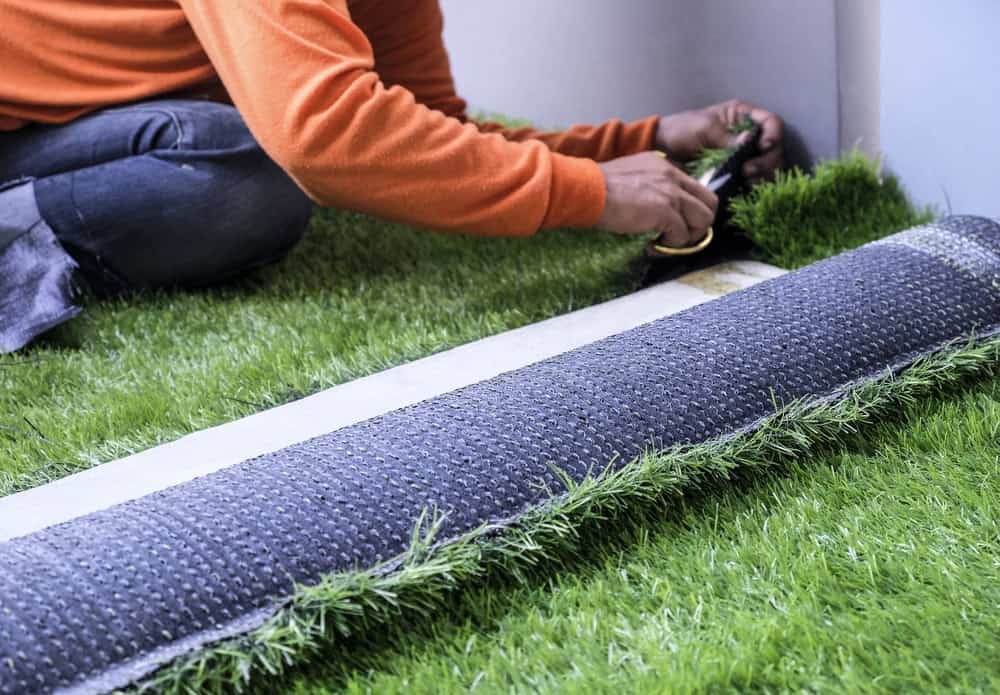
- Repairing seams, edges, and small defects. Professionals carry the right adhesives, tapes, nails, and edging materials for your turf system. They can re-bond seams, re-secure perimeters, and correct small tears before they become costly repairs or safety issues.
For Colorado homeowners who want their turf to stay resilient through sun, snow, and heavy use, this is where Greenlawn Sod Company becomes a strategic partner rather than just a supplier.
Our team works with artificial turf every day in Front Range conditions. We can recommend a realistic maintenance schedule and help you protect your investment season after season.
Keep Your Artificial Turf in Shape With Greenlawn Sod Company
Artificial turf makes yard care easier, but following effective maintenance tips for lawn maintenance is still important to keep it soft and good-looking. A steady routine now helps your turf last longer and keeps your yard feeling like a space you actually want to spend time in, so remember to maintain and clean your turf regularly.
You can keep it simple:
- Take a short walk across your turf this week. Look for spots where the fibers are matted, any stains, or pet areas with lingering odor.
- Set a basic care rhythm. Use the ideas above to decide what you will do monthly (like brushing and rinsing), what you will do after storms or heavy use.
- Talk to your turf supplier if something looks off. Whether it’s unusual wear, drainage issues, or infill questions, your distributor can point you toward the right products or solutions before small problems get bigger.
For landscapers, contractors, and property managers across Colorado and the Mountain West, Greenlawn Sod Company supplies premium artificial turf products built for local conditions. Whether you need pet turf, putting greens, or backyard play surfaces, our team can help you find the right product for your next project.
Contact Greenlawn Sod Company to explore our turf products or get answers about the right fit for your project.
FAQs
How often does artificial turf need to be replaced?
Unlike real grass, artificial turf typically needs replacement after 8 to 10 years, though high-quality, well-maintained surfaces can last 15 to 20 years and resist stubborn stains better . As foot traffic, sun exposure, and weather wear down the fibers and infill of your low-maintenance lawn, you’ll eventually see flattening, fading, and poor drainage.
Is it okay to jet wash artificial grass?
Jet washing artificial grass is usually not recommended because high pressure can disturb or wash away the infill that supports the fibers. If your turf was installed without infill sand, you can use a gentle, low-pressure wash, but in most cases, a simple hose rinse is the safer option.
What destroys artificial grass?
Artificial grass can be ruined by prolonged extreme heat, mainly reflected from windows or metal surfaces. This can melt fibers, causing discoloration and expensive repairs.