Key Takeaways
- Artificial turf maintenance is low-effort but not optional; you need to brush, rinse, and check it regularly to keep it clean.
- Professional artificial turf cleaning handles deeper issues such as pet odors, compaction, and drainage that DIY tools cannot fully reach.
- With 55+ years in Colorado turf and dedicated synthetic turf solutions, Greenlawn helps you choose, maintain, and refresh your artificial lawn so your outdoor space stays yard fresh for years.
DIY or Professional Turf Maintenance? How to Decide What Your Lawn Needs
You can usually handle day-to-day maintenance of artificial grass yourself and reserve professional artificial turf cleaning for recurring problems like urine odor, standing water, or matted turf that stays flat no matter how often you brush.
A simple way to decide is to walk your synthetic lawn and ask yourself questions like:
- Does the artificial turf still look flat even after I brush the turf fibers in different directions?
- Do pet odors or musty smells come back quickly, even after rinsing and using mild cleaning products?
- Do I see puddles or slow-draining spots after light rain or snowmelt, suggesting clogged infill or embedded debris?
- Are any seams lifting, edges curling, or areas feeling spongy or rock-hard underfoot from heavy foot traffic?
- Am I spending time on the same issues every month without seeing much improvement, even with basic maintenance?
In Colorado, strong sun, extreme heat, dust, snowmelt, and freeze–thaw environmental factors put extra stress on synthetic grass systems.
That is why deeper jobs like power brushing, infill leveling, seam repairs, and drainage fixes are far more effective in the hands of a turf cleaning company that specializes in professional turf cleaning.
What Does Professional Artificial Turf Cleaning Include?
Professional artificial turf cleaning is a deeper cleaning process that goes beyond homeowner brushing and rinsing.
It uses specialized equipment to lift flattened turf blades, cleanse infill, restore drainage, neutralize odor bacteria, and repair seams and edges so your artificial turf feels and looks new again.
In practice, a visit from an artificial turf cleaning service feels less like a quick tidy and more like a full reset.
The crew focuses on lifespan, safety, and drainage so your synthetic turf behaves more like it did right after installation and stays odor-free even in busy commercial spaces or homes with pets and children.
Here is what professional artificial turf cleaning typically includes and why it matters.
Power Brushing and Mechanical Grooming
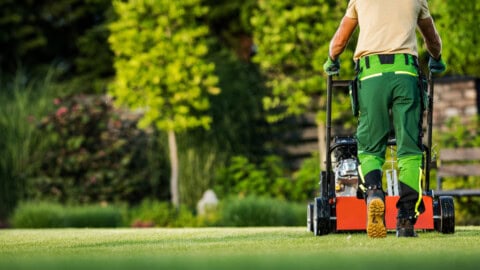
The first difference you’ll notice is the equipment. Instead of a household broom, pros use powered brushes or rotary groomers designed for synthetic turf.
What they do:
- Lift flattened fibers so the grass stands upright again.
- Redistribute infill (sand or rubber) evenly across the surface.
- Break up lightly compacted areas to make the turf feel softer and more consistent underfoot.
This step restores the “spring” in the surface and helps blades shade the backing properly, which can also slow down UV wear over time.
Deep Cleaning and Sanitizing
Home rinsing is good for dust and light spills; professional cleaning goes after what sits deeper in the system.
A pro crew will usually:
- Apply turf-safe sanitizing solutions in pet zones and high-traffic areas.
- Flush contaminants (dried urine crystals, organic build-up, fine dust) from the infill layer.
- Target shaded or damp spots that are more prone to odor and bacterial growth.
Sports-turf and landscape researchers often note that most hygiene problems come from what happens in the infill layer, not just on the surface. Professional cleaning is designed to reach that layer without damaging fibers or backing.
Infill Decompaction and Top-Up
Over time, infill settles, shifts, and compacts. That is when turf starts to feel stiff, uneven, or “crunchy” in specific lanes.
Pros address this by:
- Loosening compacted infill with specialized tines or decompaction tools.
- Re-leveling infill so blade tips sit at the right height across the lawn.
- Adding fresh infill where levels have dropped, especially in play or pet corridors.
This improves comfort, traction, and drainage, and it also helps blades stand correctly instead of folding over and matting.
Seam Repair and Edge Resetting
Seams and edges are usually where early failures show up: a small gap, a lifted strip by the walkway, or a corner that curls after heavy weather.
During professional artificial turf maintenance, crews:
- Inspect all seams for separation, fraying tape, or failed adhesive.
- Re-glue, re-tape, or re-stretch problem seams to bring panels back into alignment.
- Reset perimeter edges that have lifted, curled, or become a trip point.
These are not cosmetic touches: clean seams and secure edges are important for both safety and how long the system holds together under daily use.
Drainage Inspection and Corrections
Good turf systems are built on a base that drains. When that drainage slows down, problems snowball: odors linger, ice forms in winter, and infill stays damp and heavy.
A professional visit often includes:
- Checking for areas where water pools or drains more slowly than it should.
- Loosening compacted infill and base in localized areas to reopen drainage pathways.
- In some cases, removing and refreshing sections where fines and debris have clogged the base.
If they see recurring drainage issues, they can tell you whether it is a cleaning problem or a deeper base-design issue that needs repair.
Visual Inspection for Wear and Safety
Finally, a good crew treats each visit as a condition check, not only a cleaning appointment.
They will typically look for:
- UV fading or brittle blades in high-sun zones.
- Backing damage where pets, furniture, or heavy traffic have stressed seams.
- Hard spots, depressions, or raised areas that could create trip hazards.
- Evidence of weed or root intrusion along perimeter edges.
Synthetic turf specialists and sports-field managers consistently recommend periodic professional inspections for exactly these reasons: it is easier and cheaper to correct early wear than to replace large sections later.
What Turf Care Can You DIY?
Most of the day-to-day maintenance for artificial turf is absolutely doable on your own. Your role at home is to keep the surface looking good, feeling comfortable, and smelling fresh, while a professional steps in later for deeper fixes like infill work, drainage issues, or seam repairs.
At a basic level, DIY care is about three things:
- Keeping the fibers upright
- Keeping the surface clean
- Catching minor issues before they turn into bigger ones
Here is what that looks like in real life.
Routine Brushing and Grooming
Light brushing is the single best habit you can build for turf that looks “new” instead of “tired.” High-traffic spots near doors, play areas, or pet paths flatten first, so they need the most attention.
What to do:
- Brush high-traffic areas every 1-2 weeks with a stiff broom or plastic rake.
- Work against the lay of the fibers in a few directions so they stand up, not all pushed one way.
- Pay extra attention to entry paths, corners, and spots where kids or pets repeat the same route.
Debris Removal and Light Rinsing
Leaves, twigs, seed pods, and dust don’t hurt the turf on day one, but they add up if they sit there. They can clog drainage, trap moisture, and make the lawn feel gritty underfoot.
What to do for debris:
- Use a leaf blower on a low setting to clear dry leaves and light debris.
- Use a plastic rake or gloved hands for heavier items, such as pinecones or small branches.
- Clear debris weekly in fall or windy seasons; every couple of weeks is often enough at other times.
What to do for rinsing:
- Give the turf a light rinse about once a month in a typical yard.
- In pet areas or very dusty locations, rinse targeted spots weekly or as needed.
- Use a garden hose with a spray nozzle, not a pressure washer, and let water run through to the base.
Spot-Cleaning Spills and Everyday Stains
Life happens: drinks can spill, kids may drop food, and pets may miss their usual spot. The key is not to panic or over-clean, but to deal with it quickly and gently.
What to do:
- Mix a small amount of mild, turf-safe detergent with water in a bucket or spray bottle.
- Use a soft cloth or sponge to lift the spill rather than grinding it into the fibers.
- Rinse the area with the hose to wash away soap and loosened residue.
- Repeat once if needed, but avoid getting aggressive with brushes or harsh chemicals.
Basic Weed and Edge Checks
Even well-installed turf can get the odd weed sneaking up along seams or edges, especially in Colorado yards with active soil and established beds nearby. Catching these early keeps the surface smoother and cleaner long term.
What to do:
- Every month or so, walk the perimeter and seams and look closely for tiny green shoots.
- Hand-pull small weeds before they have a chance to root deeper.
- Check that the edges sit flat on the base and do not curl, lift, or create a small lip.
- Note any seam that looks like it’s separating or any corner that feels like a trip point.
Common DIY Artificial Grass Maintenance Tools
Most homeowners can cover their DIY artificial turf maintenance with a short list of simple tools:
- Stiff broom with plastic bristles. For regular brushing and grooming.
- Plastic rake. For raking leaves and lifting flattened fibers without cutting them.
- Leaf blower. For quick debris removal, especially in fall and after storms.
- Garden hose with a spray nozzle. For monthly rinsing and spot cleanups.
- Mild turf-safe cleaner. For spills, pet accidents, and light stains.
If you keep these tools handy and build a small routine around them, your turf will stay in good shape between professional artificial turf cleaning visits.
Your effort is about consistency, not intensity: a few minutes every week or month does far more for turf life than a big cleanup once a year.
Greenlawn Sod Company as Your Turf Partner
Artificial turf is easier to live with than natural grass, but it still needs thoughtful, regular care.
A solid DIY routine handles the daily and weekly tasks. For deeper restoration or troubleshooting, your installer or a local turf maintenance provider can step in when needed.
Your next steps should be:
- Walk your artificial turf this week and note any matted spots, pet-heavy zones, puddles after watering or rain, and seams or edges that appear to be lifting.
- Set a simple DIY schedule based on your yard. Light brushing in busy areas each week and a monthly rinse should work.
- Talk to your turf supplier if something needs attention beyond basic care. The right product or infill adjustment can solve most issues before they get worse.
For landscapers, contractors, and property managers looking for premium artificial turf products built for Colorado conditions, reach out to Greenlawn Sod Company to find the right fit for your next project.
FAQs
Is DIY artificial turf cleaning enough on its own?
DIY care is usually enough for appearance and light odor control, but deeper issues like compaction, drainage problems, or stubborn smells often need professional treatment.
When should I choose professional artificial turf cleaning instead of DIY?
Call a professional when odors linger after rinsing, fibers stay matted, puddles appear after light rain, or seams and edges start lifting.
Is professional turf maintenance worth the cost?
Yes, if it extends turf life, restores comfort and drainage, and prevents early replacement, it usually pays for itself over time.
Can I mix DIY maintenance with occasional professional cleaning?
That is often the best approach: you handle regular brushing and rinsing, while a professional crew performs periodic deep cleaning, grooming, and repairs.